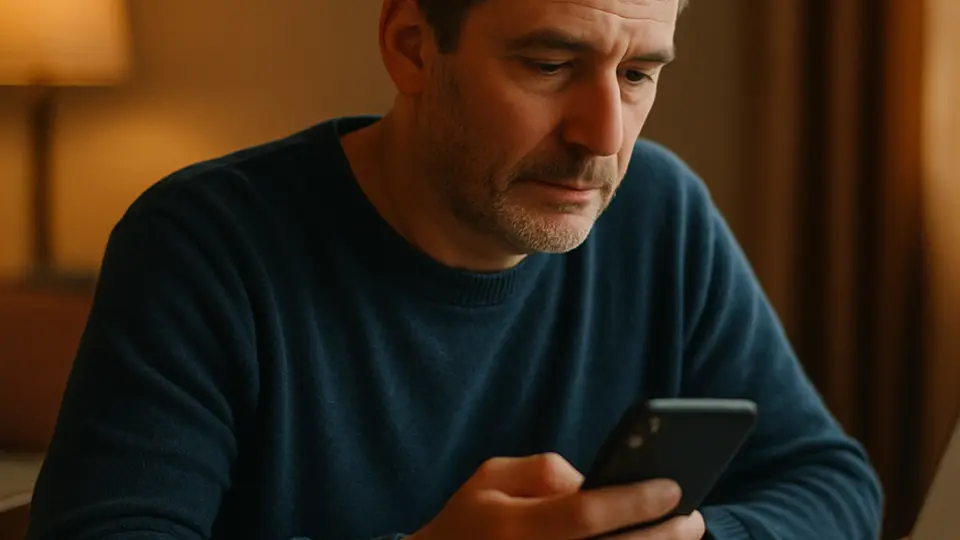
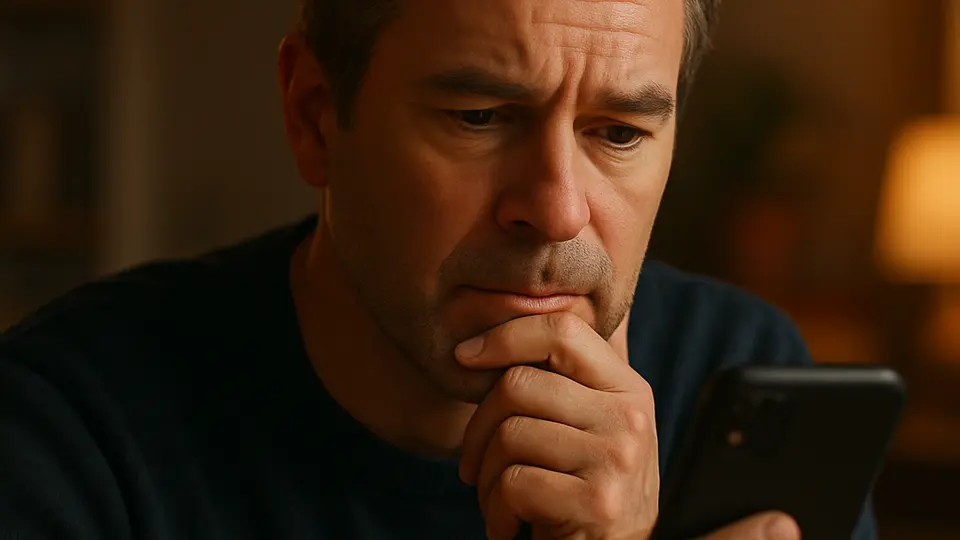
Fake travel booking sites built with AI look professional, with realistic photos and glowing reviews. The biggest red flags are prices that seem too good, pressure to move to WhatsApp or email, requests for payment by wire transfer, gift cards, or crypto, and domains that closely mimic real booking platforms. Always book through a trusted platform or directly with the hotel, and pay by credit card.
Summer is peak season for travel — and AI has made travel scams harder to spot than ever before. Booking.com reported in 2024 that AI had fuelled a 500–900% increase in travel scams over the previous 18 months. Separately, the FTC's Consumer Sentinel Network logged more than 58,000 travel, vacation, and timeshare fraud reports in 2024 totaling $274 million in losses — and that only counts the people who filed a report. This summer the fake sites look professional: polished photos, convincing reviews, realistic pricing — all generated by AI in a matter of hours. The good news is that scammers are still making the same fundamental mistakes, and once you know what to look for, most fake sites give themselves away quickly.
Red Flag 1: The Domain Doesn't Quite Match the Real Thing
Legitimate booking platforms use short, simple URLs: booking.com, hotels.com, expedia.com, airbnb.com. Fake sites mimic these but add words, hyphens, or swap a letter or two: booking-hotels-secure.com, expedia-deals-summer.net, airbnb-direct-rentals.com.
Read the address bar before you enter any personal information or payment details. Scammers register domains that look almost right at a glance, counting on the fact that most people don't read URLs carefully enough to catch a subtle difference.
Look up when the site was registered. Go to whois.domaintools.com, enter the domain, and check the creation date. Legitimate booking platforms have existed for years or decades. If a site claiming to be a major hotel-booking service was registered three weeks ago, close the tab.
A padlock icon means the connection is encrypted — not that the site is honest. Any website, including a fraudulent one, can display the padlock. HTTPS tells you nobody is intercepting the connection; it says nothing about whether the destination is real.
Red Flag 2: The Photos Look Perfect — Maybe Too Perfect
AI image generators can create hotel lobbies, pools, and guest rooms that don't exist anywhere in the real world. These images tend to look more polished than real hotel photography — no awkward furniture angles, no mismatched towels, no evidence that actual people have ever been in the room.
Do a reverse image search on the property photos. Right-click any photo and choose "Search image with Google" (or press and hold on mobile). If the image shows up on a stock-photo site or appears as a different hotel in a different country, the listing is using stolen photos — and almost certainly a scam.
Know what AI-generated photos get wrong. AI struggles with small, specific details: text on signs tends to be garbled nonsense, reflections in mirrors and windows look slightly wrong, and repeating patterns on towels or carpets sometimes drift in unnatural ways. Furniture proportions can look almost right but slightly off. If everything looks perfect and nothing looks lived-in, take a closer look.
Check the address on Google Maps. A real hotel will appear on Maps with photos taken by actual guests — imperfect angles, variable lighting, the background noise of a place people genuinely visit. A hotel that exists only as a slick website, with no Maps presence at all, is a serious warning sign.
Red Flag 3: The Price Is Too Good and the Pressure Is High
A legitimate discount is usually 10 to 20 percent off the going rate, not 60 percent below what every other platform is showing. Scammers use dramatically low prices to attract clicks, then pair them with urgency tactics — countdown timers, "only 1 room left," "deal expires in 5 minutes" — designed to stop you from taking the time to verify the site.
Compare prices on two or three platforms you trust. If the rate on an unfamiliar site is dramatically lower than what Booking.com, Expedia, and the hotel's own website are all charging, that gap is the scam.
Slow down when someone rushes you. Urgency is a manipulation tactic, not a feature of legitimate travel deals. No real hotel will rescind an available room because you took ten minutes to check a second source.
Red Flag 4: They Ask to Move the Conversation Off the Platform
This is one of the most reliable warnings. You find a listing, express interest, and the "host" or "agent" asks you to continue on WhatsApp, Telegram, or by email — usually with a story about their inbox being full, the platform having technical issues, or the ability to offer you a better deal privately.
The moment you leave the platform, you lose its payment protection, dispute resolution, and fraud guarantees. The scammer then collects payment directly and disappears. The FTC's June 2026 consumer alert on summer travel scams covers this same broader pattern — fake booking sites and lookalike ads — and its core advice applies just as much here: never pay by wire transfer, gift card, or cryptocurrency, no matter how convincing the seller sounds.
Never complete a booking or payment outside the official platform. If you found it on Airbnb, book it on Airbnb. If a "hotel agent" contacts you through an ad or search result and immediately asks to move to a private channel, decline and look elsewhere.
Red Flag 5: They Won't Accept a Credit Card
This is the clearest signal that something is wrong. Every legitimate hotel and booking platform accepts credit cards. Scammers avoid them because credit card charges can be disputed — and chargebacks cost them.
If a site or "agent" insists on payment by:
- Wire transfer — money sent and gone, nearly impossible to recall
- Gift cards — untraceable, a classic fraud payment method
- Cryptocurrency — irreversible and anonymous
...that is not a payment preference. That is a warning.
The FTC's advice is explicit: never pay for travel with gift cards, wire transfers, or cryptocurrency. If the seller insists on these methods, the booking is not real.
Safe Booking Habits That Significantly Cut Your Risk
Stick to platforms and hotels you've used before. Booking.com, Expedia, Hotels.com, Airbnb, and VRBO have fraud detection teams, verified listings, and dispute processes. They're imperfect — fake listings do occasionally appear — but they're dramatically safer than a site you've never heard of.
Call the hotel directly to confirm the booking. Find the hotel's phone number on Google Maps (not on the suspicious website), call them, and ask if they have a record of your reservation and if they work with the platform you found them on. This takes less than two minutes and catches most scams.
Always pay by credit card. Debit cards offer weaker protections. Other payment methods offer almost none.
Screenshot everything before you pay. Save the URL, booking confirmation page, advertised price, and any chat messages. Scam sites often disappear within hours of collecting payment; your screenshots are your only evidence.
What to Do If You Already Paid
Act quickly — time matters more than it might seem.
If you paid by credit card: Call your card issuer immediately and dispute the charge. Explain that the booking site was fraudulent. In the US, the Fair Credit Billing Act generally gives you 60 days from your billing statement to dispute it in writing; in the UK, Section 75 or a chargeback claim through your card network are the equivalent routes. Earlier is always better regardless of which applies to you.
If you paid by wire transfer: Call your bank the same day. Banks sometimes can recall a wire if it hasn't cleared yet — the window is narrow, often just a few hours, but it's worth the call.
If you paid by gift card or cryptocurrency: Recovery is extremely difficult, but document everything — card numbers, transaction IDs, screenshots — and report it anyway.
Report the fraud: File with the FTC at reportfraud.ftc.gov and with the FBI's Internet Crime Complaint Center at ic3.gov. Reporting doesn't guarantee recovery, but it contributes to investigations that catch these operations.
What to Watch Out For
Even legitimate booking platforms occasionally list properties with misleading photos or inaccurate descriptions — that's a frustration, not necessarily fraud. This guide focuses on outright scams: sites where the property doesn't exist, the booking is never confirmed, or the payment goes to someone with no intention of providing the accommodation.
If you book a real hotel through a real platform and the room doesn't match the photos, that's a complaint for the platform's customer service team, not evidence of a criminal scam. Keep your booking confirmation email, contact the platform first, and escalate from there.
Social media ads are one of the fastest-growing entry points for travel fraud — scammers buy targeted placements on Facebook, Instagram, and TikTok that look indistinguishable from legitimate promotions. Be especially skeptical of travel deals you see advertised in your social feed, even if they look professionally produced.
What to Try Next
If you're using AI tools to plan your trip, Best AI Travel Planners: What They're Actually Good At covers which tools genuinely help and where they fall short. Since travel scam tactics overlap closely with phishing, How to Spot an AI Phishing Email Before It Gets You is worth reading alongside this one.
Sources
- Booking.com warns of 900 per cent rise in AI-related travel scams — Bitdefender HotForSecurity
- How to avoid a travel scam this summer — Federal Trade Commission
- Consumer Sentinel Network Data Book 2024 — Federal Trade Commission
- Fair Credit Billing Act — Cornell Law School Legal Information Institute
- Section 75 and chargeback protection — MoneyHelper (UK government-backed guidance)
- Internet Crime Complaint Center (IC3) — FBI